
Newsletter - October 2025
🏛️ Congressional update:
{{recipient.first_name_or_friend}}, another government shutdown is upon us. Once again, working families are forced to go without paychecks, small businesses lose customers, and communities lose vital services. Meanwhile, corporate interests continue to collect their subsidies, tax breaks, and special access.
This dysfunction isn’t an accident—it’s a strategy. Manufactured crises are used to justify privatization of public goods, funneling our tax dollars into corporate profits while leaving us with higher costs and fewer services. It’s corporate rule at work.
That’s why we need the We the People Amendment (H.J.R. 54) —to end corporate power and put human needs first.
Even in the middle of this chaos, our movement is gaining traction!
Read moreAffiliate and Advocate Spotlight - October 2025

This month we’re thrilled to shine a light on two inspiring Affiliates who are carrying the Move to Amend mission forward in their communities.
Read moreLessons from the Civil Rights Movement
Cultural Change for the We the People Amendment
ninth in the series
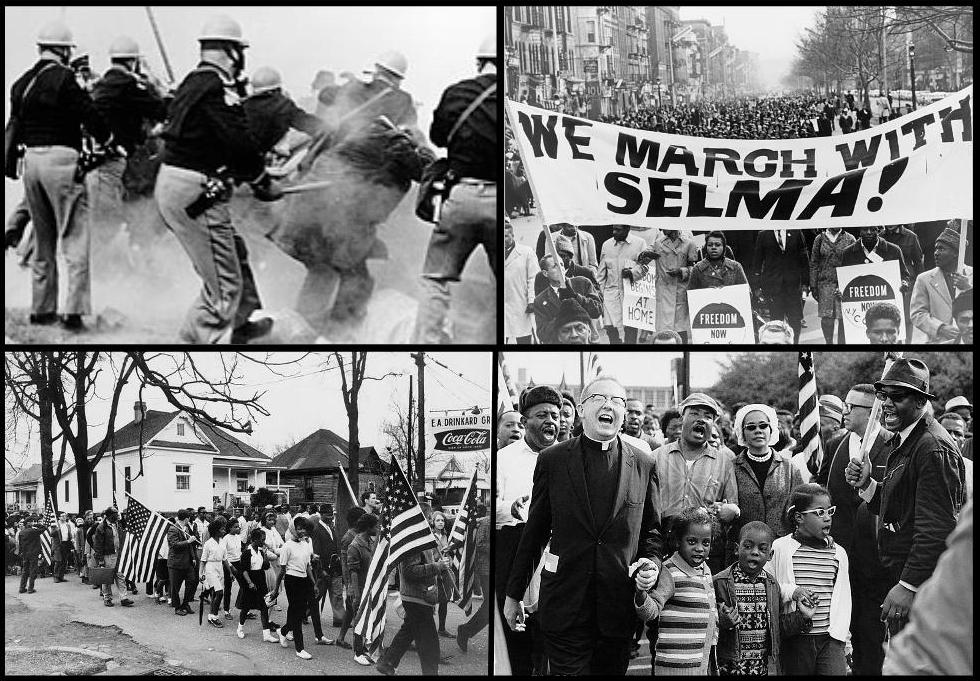
The Civil Rights Movement of the 1950s and 1960s in the South was a continuation of the earlier Abolitionist Movement. Its major achievements were the enactment of the post-Civil War 13th, 14th, and 15th “Reconstruction Amendments” to the U.S. Constitution which abolished slavery, established equal protection and due process under the law, and guaranteed voting rights for Black men.
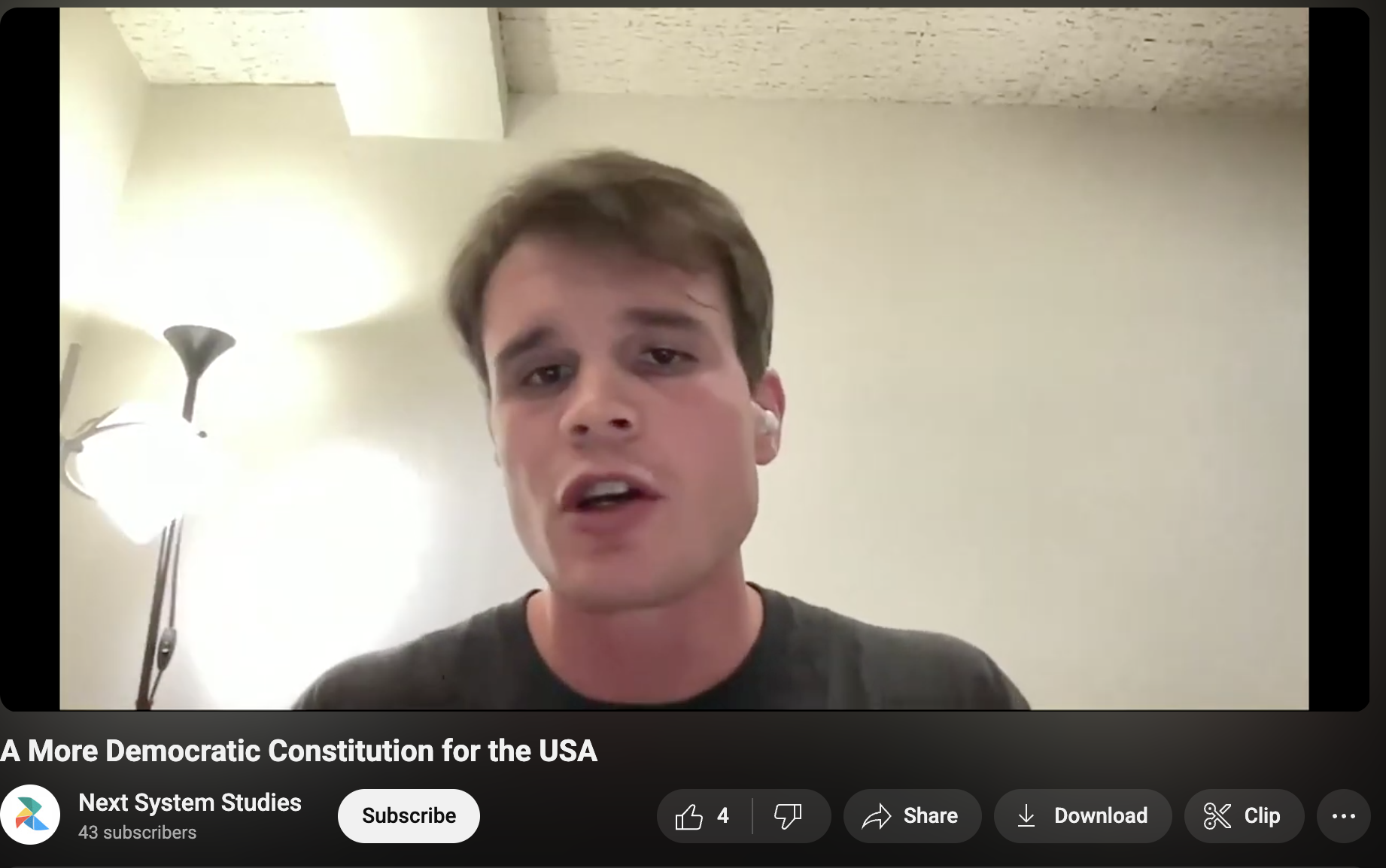
Read moreA More Democratic Constitution for the USA - video
Panel presentation and discussion at the
Next Systems Studies Convergence
September 4, 2025
https://www.youtube.com/watch?v=gtsy91iCGKM&list=PLrFE8GFuZltEcMb0JntddjsEpMqS10ozd&index=14
This panel includes John Mulkins, Luke Pickrell, and Greg Coleridge as they discuss democratizing the U.S. constitution, with background on our history as a democracy, the undemocratic features of the constitution, what can be done to democratize our constitution, and what can participants do to further the conversation.
Presented by Move To Amend
See all the Convergence sessions at https://www.youtube.com/watch?v=MUT4Q3RTbFE&list=PLrFE8GFuZltEcMb0JntddjsEpMqS10ozd&index=1
In solidarity,
Greg, Margaret, Katie, Alfonso, Jessica, Jason, Tara, Cole, Shelly, George, Daniel, Kelsey, Jennie, Keyan, Michael & Alfonso.
P.S. We are living through a constitutional crisis. Every generation has the opportunity to define history. Together, we must act and do our part to create a Constitution that affirms justice, a livable world and an authentically democracy Your support makes this vision real. Join us with a gift today!

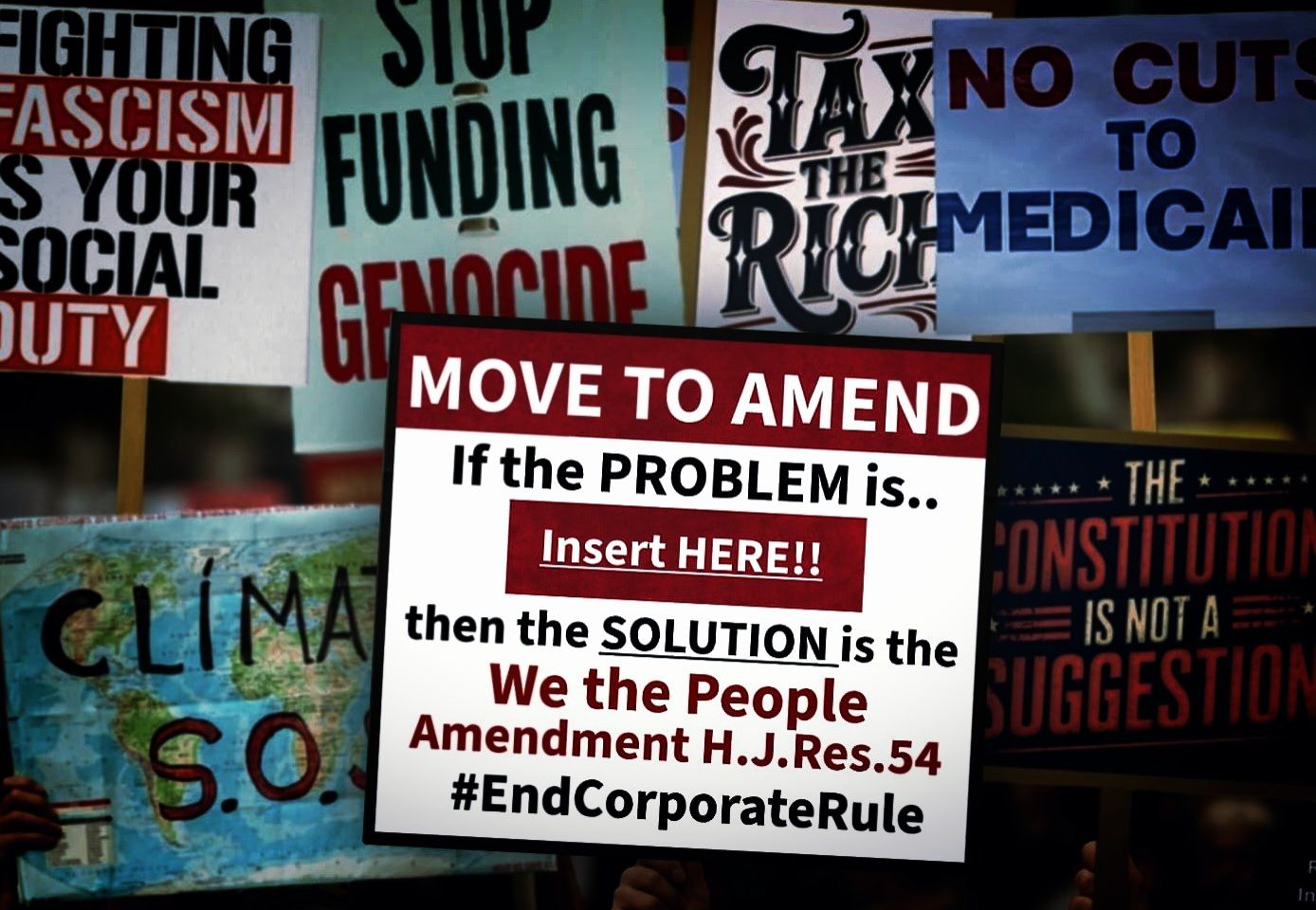
Take Action on Constitution Day
Constitution Day is next Wednesday, September 17.
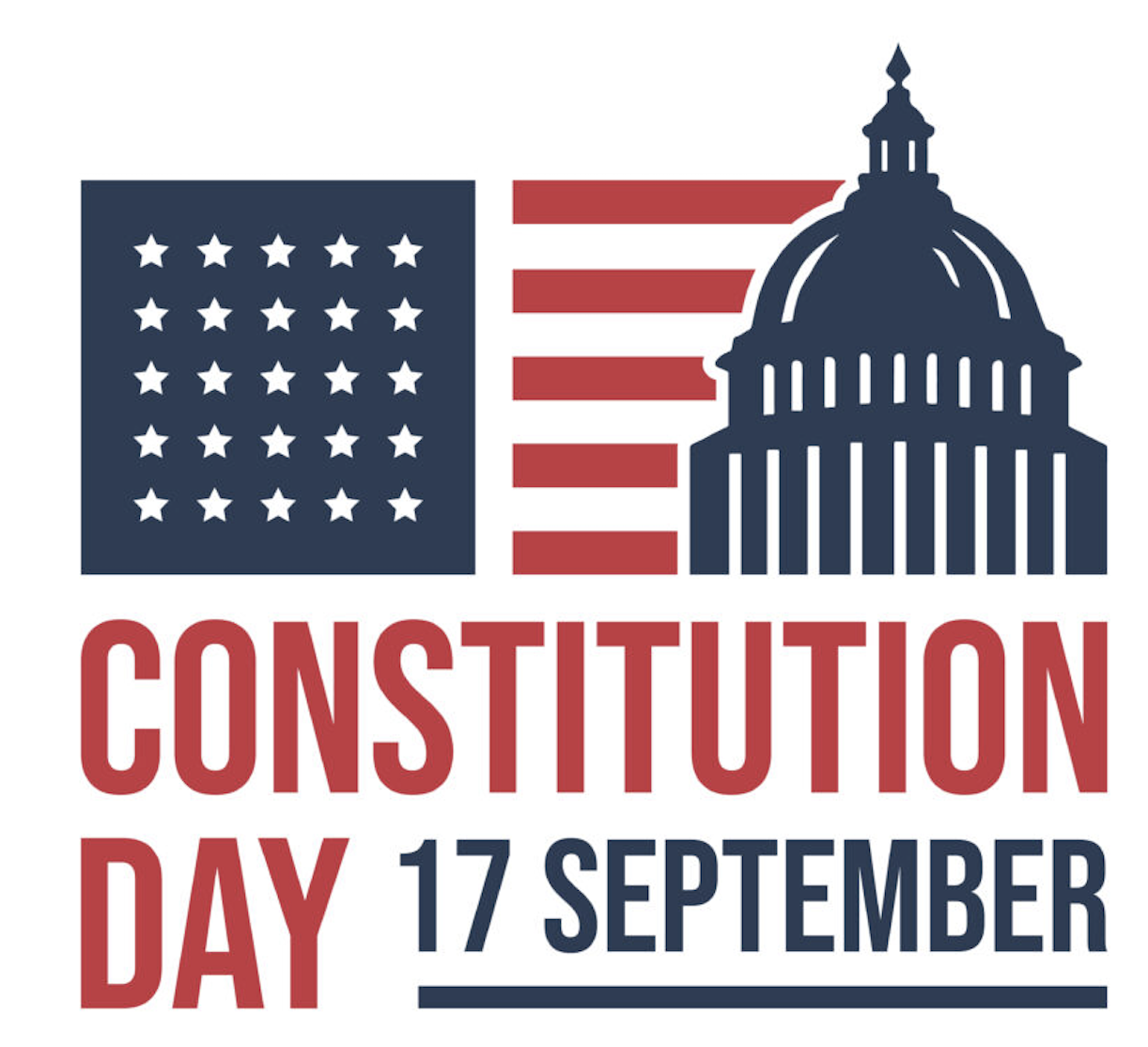
The United States Constitution was signed on September 17, 1787 by 39 delegates at the Constitutional Convention in Philadelphia. It replaced the Articles of Confederation as the document defining the new government. Educational programs are provided by publicly funded educational institutions and federal agencies to celebrate the day.
Those programs provide only superficial and slanted views. While there were many elements of the original U.S. Constitution that were indeed revolutionary and democratic, many others affirmed top down control, ingrained property rights over human rights and excluded a majority of the population. We, the People did not – and still do not – include ALL the People.
Social movements for more than two centuries have forced the adoption of amendments and established a culture that led to Supreme Court decisions that included some rights of groups who should have been originally included in the founding document.
Read more
Affiliate and Advocate Spotlight - September 2025

This Labor Day, our affiliates and advocates showed once again that grassroots power moves mountains!
Read moreDavid Orr on The Interrelated Threats of Climate Change & Democracy
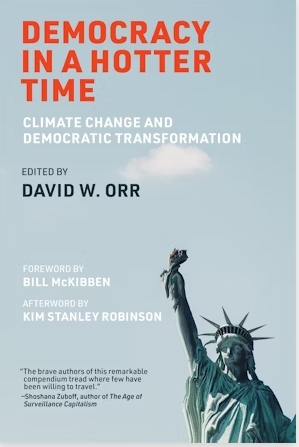
Speaker -- David Orr
Thursday, September 11, 5pm PT, 6pm MT, 7pm CT, 8pm ET
The lack of authentically democracy in the U.S. has permitted corporate entities to pursue their own economic and political interests virtually unchecked. This includes plundering the earth and poisoning land, water and air - resulting in the climate crises. What inadequate regulations existed before the Trump regime are now being systemically eliminated.
The dual crises of democracy and climate change are not separate, but are one interrelated threat to the human future.
That’s the theme of Democracy in a Hotter Time, edited by David Orr, which calls for reforming democratic institutions as a prerequisite for avoiding climate chaos and adapting governance to how Earth works as a physical system.
To survive in the “long emergency” ahead, we must reform and strengthen democratic institutions, making them assets rather than liabilities. The collection of essays proposes a new political order that will not only help humanity survive but also enable us to thrive in the transition to a post–fossil fuel world.

Lessons from the Peace and Anti-Nuclear Movements
Cultural Change for the We the People Amendment
[eighth in a series]

The United States. has been involved in 11 wars and 175 non colonial military conflicts (and counting) in its 249 year history since claiming independence from Great Britain on July 4, 1776. Today, the U.S maintains roughly 750 military bases and installation in 80 countries worldwide. There are very few years in U.S. history when its military was not engaged in armed conflict somewhere in the world.
Perpetual state-sponsored violence from the colonial era to the present day has been responded with perpetual organized movements of people for peace and against wars and colonization. This history is too exhaustive to examine in detail. Thus, this examination will focus on cultural lessons learned from peace, anti-war and anti-nuclear weapons movements beginning in the early 20th century.
Read more
